 FEATURED
Space Nav
Hand-tracked spatial navigation and movement training across immersive space environments.
Learn more →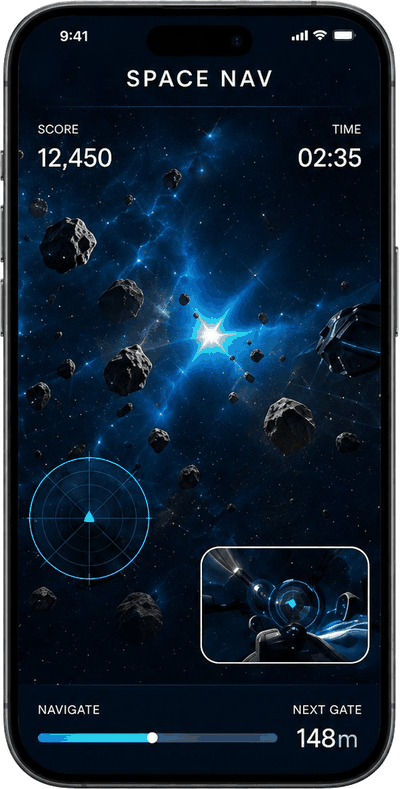
92%Score
We connect patients digitally with enabling technologies to make rehabilitation better.


Ctrl CV builds computer vision-powered rehabilitation applications that bridge clinic visits and at-home recovery. Real-time data. Actionable insights. Better outcomes.
FEATUREDHand-tracked spatial navigation and movement training across immersive space environments.
Learn more →
Shape-tracing for stroke rehabilitation using hand tracking and real-time scoring.
Learn more →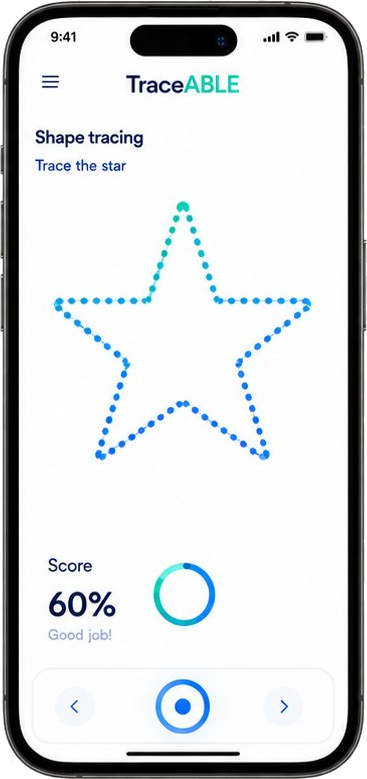

Pick-and-place therapy for fine motor control, spatial accuracy, and cognitive-motor performance.
Learn more →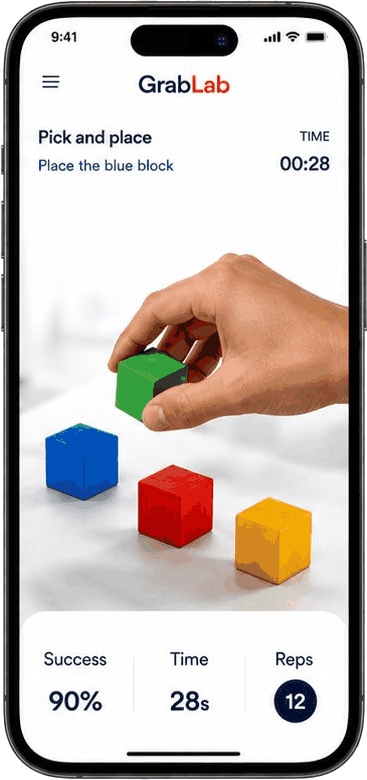

Grasp and sort training using spherical grip tasks, coordination, and movement analytics.
Learn more →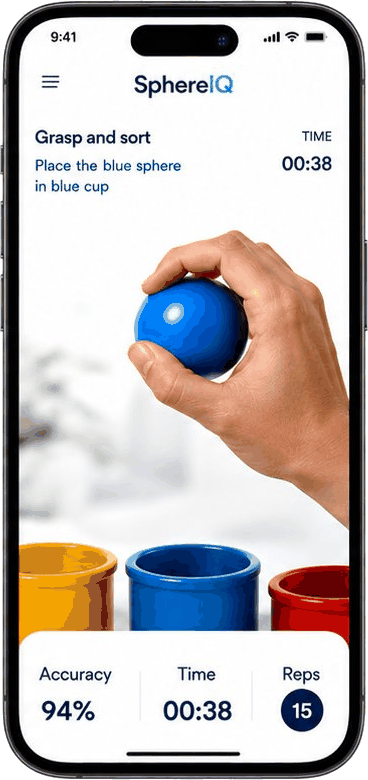
“The guidance and feedback keep me motivated every day.”
— Patient, Stroke RehabCtrl CV combines hand tracking, mobile-first interfaces, spatial gameplay, and smart-glasses compatibility to make therapy more measurable, engaging, and actionable outside the clinic.
Clinician-ready digital experiences for guided rehabilitation and progress review.
Performance feedback, adherence signals, and task-level movement analytics.
Designed for phones, tablets, cameras, and emerging smart-glasses workflows.

Join clinicians and innovators building the future of recovery—together.